
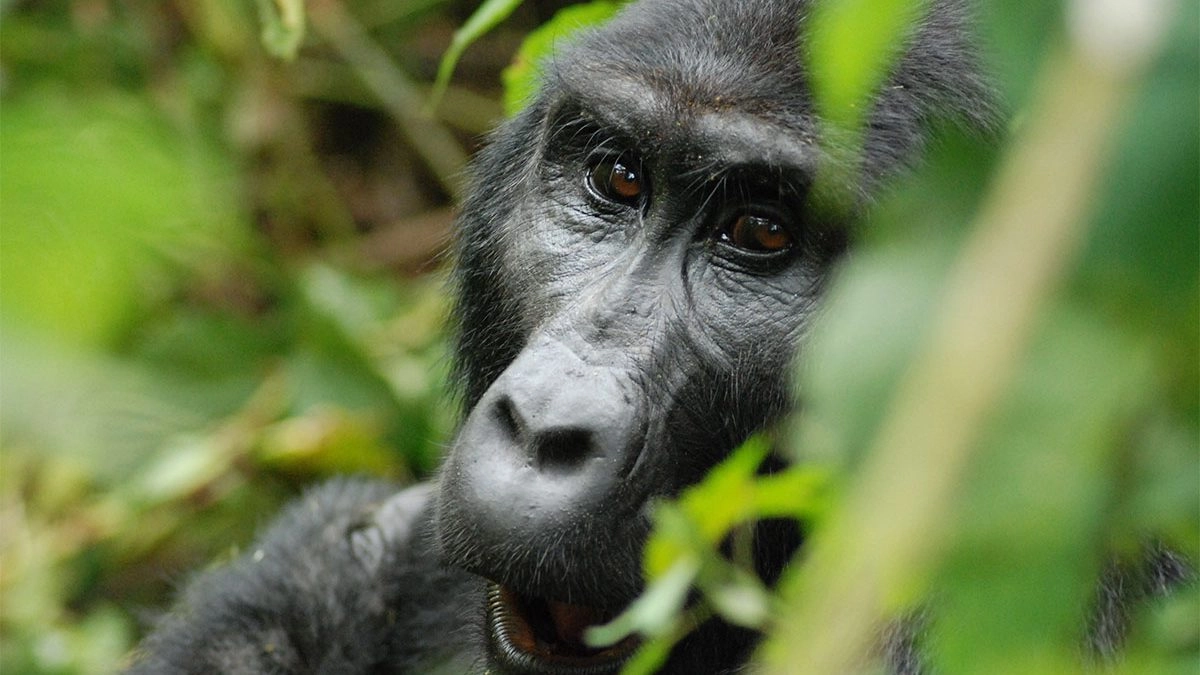
New Gorilla Habituation Costs in Uganda 2027
Uganda is set to introduce updated gorilla habituation permit fees starting in January 2027. These new gorilla habituation costs are structured by visitor category, including international travellers, foreign residents living in Uganda, visitors from other African countries, and East African citizens. The revised pricing reflects the increasing demand for gorilla experiences as well as the rising investment required to conserve mountain gorillas and improve visitor experiences.
Gorilla habituation is widely regarded as one of the most exclusive primate experiences in Africa. It allows visitors to spend extended time with mountain gorillas while observing the gradual process of getting them accustomed to human presence. With the new rates coming into effect, travellers planning future safaris to Uganda should understand both the pricing and the reasons behind these changes.
Updated Gorilla Habituation Permit Costs for 2027
Beginning January 2027, the gorilla habituation permit fees in Uganda will be as follows.
Foreign non-residents will pay USD 1,800 per person
Foreign residents will pay USD 1,600 per person
Visitors from the rest of Africa will pay USD 1,000 per person
East African citizens will pay UGX 750,000 per person
These new rates represent an increase over the previous prices, under which foreign non-residents paid USD 1,500, and foreign residents paid USD 1,000. The adjustment highlights Uganda’s continued commitment to conservation and maintaining a high-quality wildlife tourism experience.
Reasons Behind the Increase in Costs
The rise in gorilla habituation costs is influenced by several important factors. One of the main reasons is the need to strengthen conservation efforts. Mountain gorillas are still endangered, and protecting them requires continuous funding for research, monitoring, and anti-poaching activities. Permit fees play a crucial role in supporting these initiatives.
Another key factor is the growing interest in gorilla tourism. Uganda has seen a steady increase in the number of visitors coming specifically for gorilla experiences. Since only a limited number of people can visit a gorilla family each day, there is a need to habituate more groups to meet demand. This process requires time, skilled personnel, and financial resources, which contribute to the higher costs.
The overall cost of conservation has also risen. Equipment, ranger operations, and research activities are becoming more expensive. Maintaining a safe and sustainable environment for both gorillas and visitors requires continuous investment.
Infrastructure development is another reason for the price adjustment. Access roads, visitor centres, and other facilities in gorilla tracking areas need improvement. During rainy seasons, some routes become difficult to use, which affects accessibility. Increased funding will help upgrade these facilities and enhance the overall visitor experience.
What Gorilla Habituation Means
Gorilla habituation is the gradual process of helping wild mountain gorillas become comfortable with human presence. In their natural state, these gorillas are not used to people and may react defensively. Through regular and controlled interaction, researchers and rangers slowly build trust with the gorillas over time.
This process usually takes between two and three years, depending on the behaviour of the gorilla group. Some families adapt more quickly, while others take longer to become fully habituated.
For visitors, this experience is different from standard gorilla trekking. Participants are allowed to spend up to four hours with the gorillas, observing their behaviour in detail. Only four people are permitted per day, which makes the experience very exclusive. Visitors are accompanied by experienced rangers and researchers who provide guidance and share valuable information throughout the activity.
Where Gorilla Habituation Takes Place in Uganda?
Gorilla habituation in Uganda is carried out only in the Rushaga sector of Bwindi Impenetrable National Park. This southern part of the park is ideal for habituation because it has several gorilla families that are still undergoing the process of becoming accustomed to human presence.
Bwindi Impenetrable National Park is one of the most important gorilla habitats in the world. Established as a national park in 1991, it is home to nearly half of the world’s remaining mountain gorillas. The park covers about 331 square kilometres and features dense forests that provide a perfect environment for these primates.
In addition to Rushaga, the park has other sectors such as Buhoma, Nkuringo, and Ruhija, which are popular for gorilla trekking. However, habituation activities are limited to Rushaga due to the presence of unhabituated gorilla groups.
What to Expect During the Experience
A gorilla habituation experience begins early in the morning with a briefing at the park headquarters. Visitors are given guidelines on how to behave around the gorillas and what to expect during the trek.
The journey into the forest can take several hours, depending on where the gorillas are located. Once the group is found, visitors are allowed to spend up to four hours observing them. This extended time allows for a deeper understanding of their behaviour, including feeding, grooming, and social interactions.
The experience is both physically demanding and incredibly rewarding. Being in proximity to mountain gorillas in their natural habitat is a rare opportunity that leaves a lasting impression on every visitor.
Why Gorilla Habituation is Worth the Investment
Although the cost of gorilla habituation is increasing, the experience remains one of the most valuable wildlife encounters in Africa. It offers more time with the gorillas, greater insight into their lives, and a more personal connection compared to standard trekking.
In addition to the experience itself, visitors contribute directly to conservation efforts. The funds generated from permits support the protection of mountain gorillas and their habitats, ensuring that these incredible animals continue to thrive.
Conclusion
The new gorilla habituation costs in Uganda 2027 reflect the country’s dedication to conservation, sustainable tourism, and improving visitor experiences. While the prices are higher, they support essential efforts to protect mountain gorillas and enhance the quality of the experience.
For travellers planning a safari, gorilla habituation remains one of the most unique and unforgettable activities. Taking place in the remarkable forests of Bwindi Impenetrable National Park, it offers a rare chance to connect with nature in a meaningful way.
Comments are closed